









A Powerful Quake Strikes Northern Japan
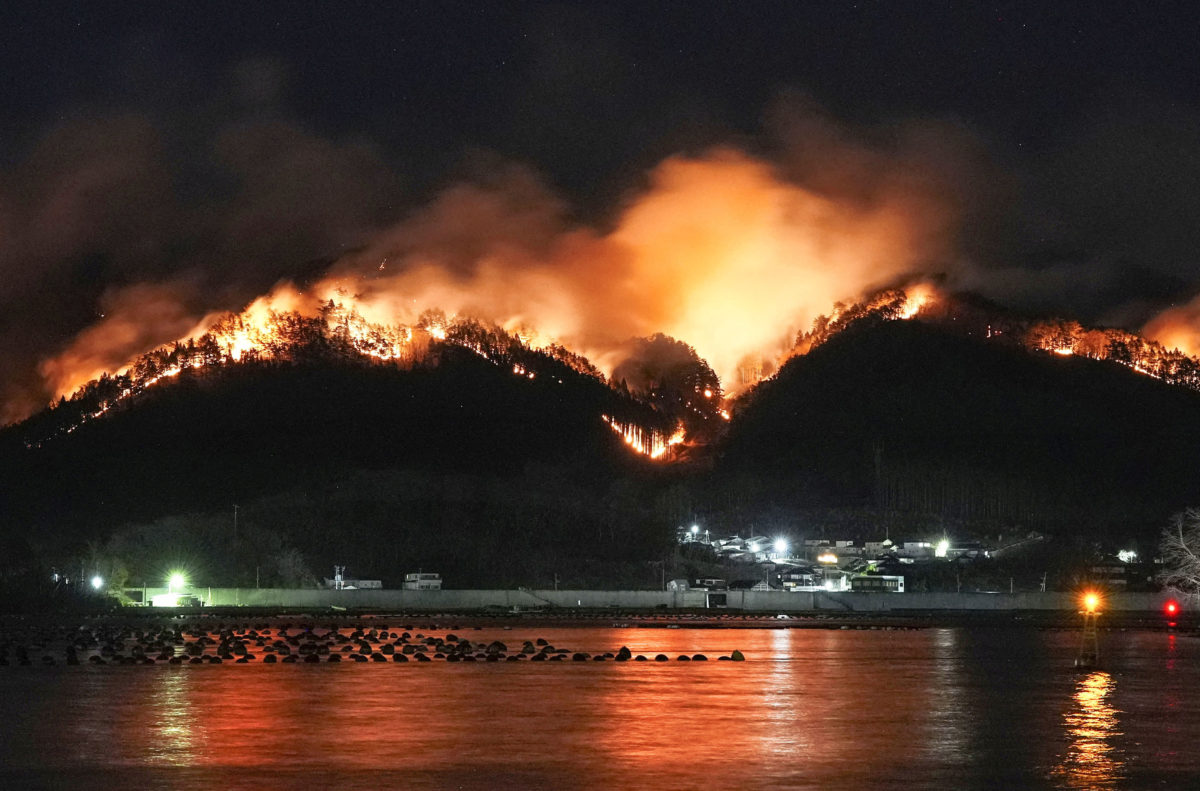
Japan earthquake today: On December 8, 2025, a strong undersea earthquake hit the northeast coast of Japan. The quake measured 7.6 magnitude and had its epicenter roughly 80 km off Aomori Prefecture, at a depth of around 50 km. The tremor was felt across northern Japan, including Hokkaido, Aomori, and Iwate, causing buildings to shake and panic among residents.
Authorities immediately issued public alerts, and emergency response teams began mobilizing to ensure public safety. Many residents were advised to evacuate to higher ground as a precaution.
Tsunami Warnings and Coastal Evacuations
Japan tsunami warning 2025: Following the quake, the Japan Meteorological Agency issued tsunami warnings for coastal regions in Hokkaido, Aomori, and Iwate. Early waves of around 40–50 cm were detected, but officials warned that larger waves — up to 3 meters (≈10 feet) — could occur.
Coastal residents were urged to evacuate immediately and stay at designated shelters. Emergency services continue to monitor sea levels, and residents are advised to remain vigilant until all warnings are lifted.
Effects on People and Infrastructure
-
Injuries and safety: A few minor injuries were reported, but no major casualties so far.
-
Transportation: Rail and air travel in the affected regions were temporarily suspended.
-
Utilities: Some power outages occurred, with crews working to restore electricity quickly.
-
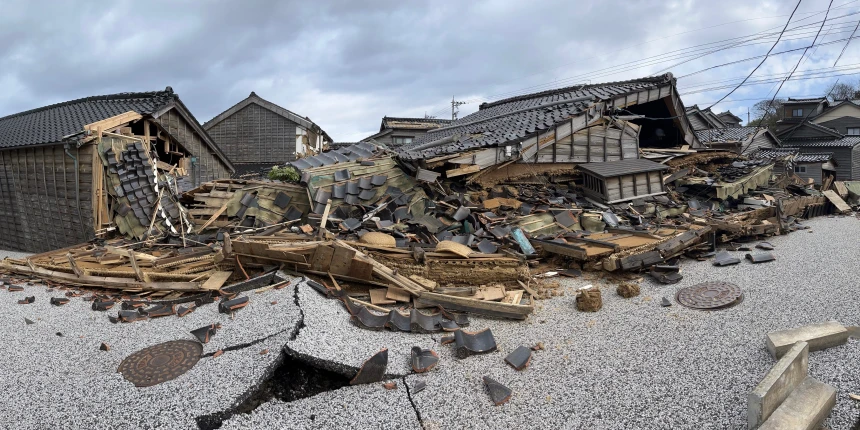
Infrastructure safety checks: Bridges, roads, and buildings are being inspected for damage, and nuclear power plants are undergoing safety assessments.
Why This Earthquake Is Significant
-
Seismic history: Northern Japan has experienced devastating earthquakes in the past, making early warnings and precautions critical.
-
Tsunami risk: With the epicenter offshore, large waves could affect up to 1,000 km of coastline.
-
Aftershocks: Residents are advised to stay prepared for additional tremors, which may follow in the coming days.
-
Infrastructure test: Roads, buildings, and emergency systems are being evaluated for resilience and safety.
What to Watch For
-
Tsunami monitoring: Officials are keeping a close watch on sea-level changes and coastal sensors.
-
Aftershocks: Communities must remain alert for further tremors.
-
Damage assessments: Daylight inspections will reveal the extent of damage to buildings, utilities, and infrastructure.
-
Emergency services: Shelters, medical aid, and support for displaced residents remain active.
Safety Tips for Residents
-
Follow official warnings and evacuation orders immediately.
-
Move to higher ground and avoid coastal areas until the tsunami threat is over.
-
Keep emergency supplies like water, food, and medications ready.
-
Stay indoors if you are away from the coast and in a safe location.
-
Stay informed through radio, TV, or official apps for updates.
FAQs About Japan’s Earthquake
Q1: How strong was today’s earthquake in Japan?
A1: The earthquake measured 7.6 magnitude, strong enough to shake buildings and cause panic in northern Japan.
Q2: Which areas were affected the most?
A2: Northern prefectures like Hokkaido, Aomori, and Iwate experienced the strongest shaking. Coastal areas faced tsunami alerts.
Q3: Are there any casualties?
A3: So far, only minor injuries have been reported, and no major casualties have been confirmed.
Q4: Is there a tsunami risk?
A4: Yes. Tsunami warnings were issued for coastal areas. Waves up to 3 meters are possible, and residents should evacuate immediately.
Q5: What should residents do during a tsunami warning?
A5: Move to higher ground or designated shelters, avoid coastal areas, and stay informed through official alerts.
Q6: Could there be more earthquakes?
A6: Yes. Aftershocks are expected, and residents should stay prepared for further tremors.
Q7: How is infrastructure affected?
A7: Minor damage and power outages have been reported. Roads, bridges, and buildings are being checked for safety.
Conclusion: Stay Alert, Stay Safe
Japan’s 2025 northern earthquake is a reminder of the country’s vulnerability to seismic activity. While initial reports show limited injuries, the combination of shaking, tsunami risk, and aftershocks makes the situation critical.
Coastal residents must follow evacuation orders, stay away from shorelines, and adhere to safety guidelines. Authorities continue to monitor the situation, ensuring public safety and swift emergency response.
Preparedness, vigilance, and community support remain key as Japan navigates this natural disaster.
For the latest updates and stories, follow us on Facebook at Only One News — your trusted source for real-time, reliable information.