










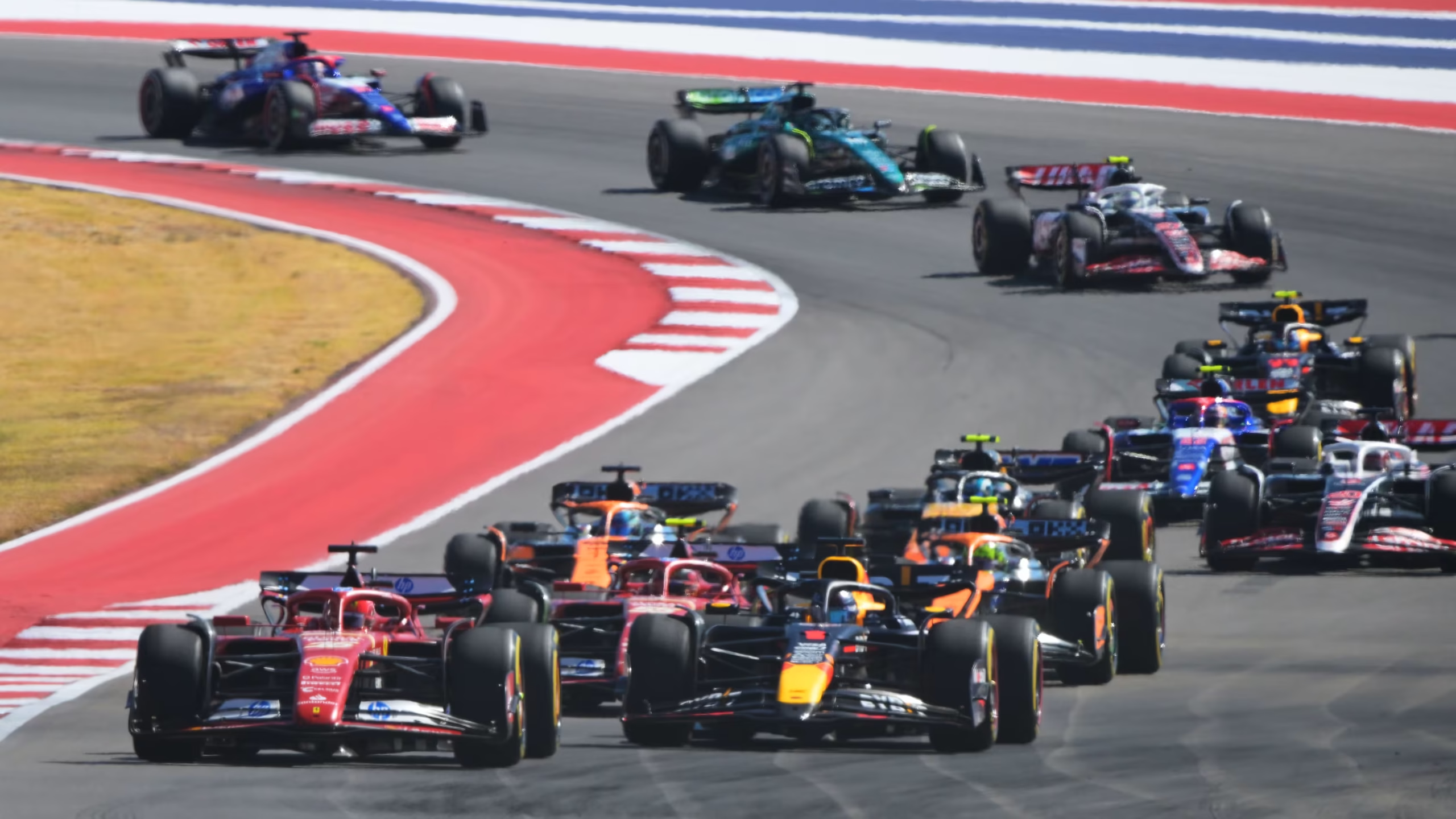
Formula 1 is not just the pinnacle of motorsport — it’s a global industry driven by innovation, technology, strategy, and passionate fans. Many enthusiasts even collect F1 model cars to celebrate the engineering brilliance seen on track. As we enter the 2025 season, a fresh wave of rules and regulations is reshaping how teams compete, how drivers perform, and how the future of the sport is being built.
Key Rule Changes in the 2025 Formula 1 Season
1. Technical Regulations
The technical rulebook for 2025 introduces changes focused on safety, performance balance, and cost control.
-
Minimum Weight Increase
Driver weight minimum has increased from 80kg to 82kg, bringing the overall minimum car weight to 800kg. This small adjustment ensures fairness for taller or naturally heavier drivers. -
Driver Cooling Systems
Due to extreme cockpit temperatures seen in hotter races, the 2025 rules now allow teams to run certified cooling devices. When these systems are fitted, an additional 5kg weight allowance is permitted. -
Stricter DRS Mechanisms
The Drag Reduction System (DRS) now has tighter guidelines to ensure consistent rear-wing operation and prevent teams from gaining unfair aero flexibility.
These technical refinements are important not only for live racing but also for collectors and designers who study car evolution through F1 model cars, which often replicate every detail of these rule-driven changes.
2. Sporting Regulations
Several sporting rules for 2025 aim to strengthen fairness, promote young talent, and reduce unpredictable advantages.
-
Fastest Lap Point Removed
After six years of awarding an extra championship point to the fastest lap, this rule has been removed to prioritise consistent race performance over last-lap tyre gambles. -
Mandatory Rookie Practice Sessions
Every team must now put a rookie driver into each car for two free-practice sessions per season. This creates more pathways for new talent to enter Formula 1. -
More Restricted Testing
Private testing using older cars is now limited to 20 days per season. Current drivers are restricted to a maximum of 1,000km in such tests. This preserves competitive balance and reduces costs. -
Stricter Parc Fermé Rules
Once qualifying ends, teams face tighter restrictions on car adjustments, placing greater emphasis on strategic preparation.
3. Safety-Focused Regulations
Safety remains the core of Formula 1.
-
Enhanced Cockpit Protection
Measures such as the halo and refined crash structures continue to evolve. -
Personal Safety Gear Standards
Fire-resistant suits, gloves, and sensors help teams monitor driver health during intense races. -
Track Safety Improvements
Runoff areas, barrier materials, and flag system rules have been updated for 2025.
Interesting Facts About the 2025 F1 Regulations
-
The new cooling system rule came after several drivers complained of heat exhaustion in recent seasons.
-
Weight changes are partly influenced by safety feature additions, which naturally increase car mass.
-
Testing limits have helped smaller teams close the gap to giants like Red Bull and Mercedes.
-
Collectors of F1 model cars will notice that 2025 designs reflect smaller DRS openings and slight weight distribution changes — making this year’s models especially valuable.
The Future of Formula 1 — A Glimpse Into 2026
While 2025 introduces meaningful improvements, the biggest transformations arrive in 2026:
-
All-new power units with increased hybrid output and 100% sustainable fuels.
-
Active aerodynamics, including front and rear movable wings for energy-efficient racing.
-
Major weight reduction, making cars more agile and responsive.
-
Rebalanced engine-to-battery power, shifting F1 closer to future automotive standards.
These upcoming changes will completely reshape car design — and fans will soon see new generations of F1 model cars replicating the dramatic 2026 vehicles.
Why 2025 Matters for Fans and Teams
The 2025 season is a crucial transition year. The rule changes are designed to:
-
Improve driver welfare
-
Deliver closer racing
-
Support rising talent
-
Reduce team spending disparities
-
Prepare teams for the revolutionary 2026 rulebook
For fans, 2025 promises tighter strategies, more intense qualifying battles, and unpredictable midfield fights. For collectors and enthusiasts, it’s also a great season to track the evolution of car designs through F1 model cars, which help preserve the history and technological story of the sport.
Frequently Asked Questions (FAQs)
1. What are the most important Formula 1 rule changes in 2025?
The biggest 2025 changes include a slight increase in minimum driver and car weight, official permission for driver cooling systems under hot conditions, tighter DRS operation limits, removal of the fastest-lap bonus point, expanded rookie practice mandates, and stricter private-testing caps to control costs and level competition.
2. Why was the fastest-lap point removed in 2025?
The fastest-lap bonus encouraged risky late-race strategies and gave teams with extra resources an occasional points boost. Removing it shifts emphasis to consistent race finishing positions and reduces opportunistic tyre gambits that skew race strategy.
3. How do the 2025 weight and cooling rules affect drivers and teams?
Raising the minimum driver weight helps inclusivity for taller/heavier drivers and reduces the need for extreme ballast. Allowing certified cooling systems in high-temperature races prioritises driver safety; teams receive a small weight allowance when they install these systems to avoid unfair performance penalties.
4. Will teams spend more or less because of the 2025 rules?
Overall, spending pressure is reduced. Stricter private-testing limits and tighter aerodynamic/DRS rules narrow the advantage wealthy teams can buy. That said, teams still invest in efficient engineering within the constraints, especially for reliability and software-driven performance gains.
5. How do rookie practice requirements change the talent pipeline?
Mandating rookie sessions gives young drivers more exposure to F1 machinery and real weekend experience, accelerating their development and increasing the pool of race-ready talent for the future.
6. What does the 2025 parc fermé tightening mean for race strategy?
With fewer post-qualifying adjustments allowed, teams must optimise car setup earlier in the weekend. This raises the stakes for preparation and makes qualifying performance and setup prediction more critical to race outcomes.
7. How should fans and model collectors (e.g., F1 model cars) interpret the 2025 changes?
Fans will notice closer mid-pack battles and a greater emphasis on qualifying. Collectors will see subtle design tweaks in 2025 releases — changes to wing geometry, DRS slot sizing, and weight distribution — so 2025-era F1 model cars can be especially interesting to add to a collection.
8. What major rule shifts should we expect for 2026 and beyond?
2026 introduces a major technical overhaul: lighter and more agile cars, new hybrid-focused power units with sustainable fuels, active aerodynamics, and continued emphasis on energy efficiency and sustainability. These changes will significantly alter car design and race dynamics.
For the latest updates and stories, follow us on Facebook at Only One News — your trusted source for real-time, reliable information.