








A Historic Diplomatic Encounter
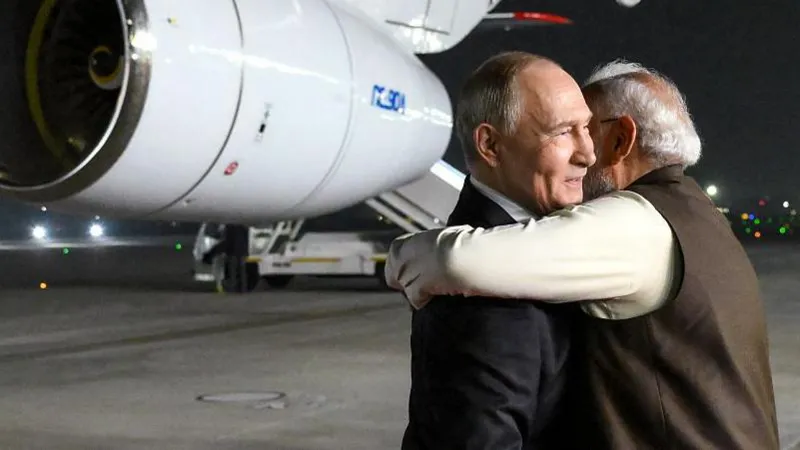
Putin India visit 2025: Vladimir Putin’s visit to India on December 4–5, 2025, marks a significant milestone in Indo-Russian relations. This is his first trip to New Delhi since the geopolitical upheaval caused by the Ukraine conflict, making it one of the most closely watched diplomatic engagements of the year. The summit with Prime Minister Narendra Modi focused on strengthening trade, defence, energy, and technological collaboration, highlighting the enduring “special and privileged strategic partnership” between the two nations.
The visit also underscores India’s foreign policy independence, signalling a commitment to maintaining strong bilateral relations with global powers while navigating complex international pressures.
Why This Visit Matters
🌐 Reinforcing Strategic Ties
In a world reshaped by conflicts and sanctions, Putin’s visit is a message to the global community: Russia values its longstanding partnership with India. The summit reaffirmed strategic ties that encompass defence, energy, and technology, demonstrating Moscow’s intent to maintain India as a key ally outside the Western sphere of influence.
For India, maintaining robust relations with Russia ensures strategic autonomy. By balancing ties with both Western and non-Western powers, India continues to pursue a foreign policy based on pragmatism, sovereignty, and long-term national interests.
Economic Opportunities and Trade Expansion
💰 Addressing Trade Imbalances
India-Russia trade has been heavily skewed toward imports of Russian oil, coal, and fertilisers. With total bilateral trade approaching $70 billion, the gap between imports and exports remains significant. During the summit, both leaders emphasised the need to diversify and balance trade, opening avenues for Indian exports in pharmaceuticals, machinery, chemicals, and agriculture.
This initiative aims to transform the trade relationship from a raw-material-centric model to one driven by industrial and technological collaboration, creating long-term economic benefits for both nations.
🚀 Boosting Industrial and Technological Partnerships
Beyond traditional trade, India and Russia explored high-tech cooperation, including joint ventures in manufacturing, technology transfers, and digital innovation. These projects could strengthen India’s domestic manufacturing ecosystem while enhancing Russia’s access to cutting-edge technology.
This strategy represents a shift from a transactional partnership to a forward-looking, mutually beneficial collaboration, ensuring both nations are prepared for global economic realignments.
Defence and Security Cooperation
🛡️ Strengthening Military Ties
Defence remains a cornerstone of Indo-Russian relations. India’s armed forces rely heavily on Russian-origin equipment, making the partnership critical for military readiness. The summit reinforced existing commitments and explored new avenues such as additional air-defence systems, joint production initiatives, and technology sharing.
The agreement on co-production and manufacturing in India aligns with the “Make in India” initiative, enabling India to reduce dependency on single-source suppliers while modernising its defence capabilities.
⚡ Nuclear and Energy Collaboration
Energy cooperation, particularly in nuclear technology, was another key focus. Discussions included the expansion of nuclear projects, small modular reactors, and energy applications in medicine and agriculture. Securing reliable energy partnerships ensures India’s energy security and positions both nations as pioneers in sustainable energy collaboration.
Opportunities and Challenges Ahead
🌟 Key Opportunities
-
Diversified Trade: Expanding exports of pharmaceuticals, machinery, and high-tech goods to Russia.
-
Energy Security: Russia’s commitment to uninterrupted fuel supplies stabilises India’s energy landscape.
-
Strategic Autonomy: India continues to assert its independent foreign policy while balancing global powers.
-
Defence Upgrades: Joint ventures, technology transfers, and co-production enhance India’s defence capabilities.
⚠️ Potential Challenges
-
Trade Imbalance: Indian exports to Russia must increase to prevent economic asymmetry.
-
Global Pressure: Energy imports from Russia could attract scrutiny from Western allies.
-
Delivery Risks: Post-conflict supply constraints may delay defence equipment and technology transfers.
-
Complex Diversification: Expanding trade and technology partnerships requires regulatory, logistical, and market adaptations.
What This Means for Global Politics
The 2025 India-Russia summit signals a reorientation of global alliances. For Russia, it affirms the importance of partners outside Western influence. For India, it reinforces a multipolar foreign policy, leveraging relationships to maximise national benefits.
If the agreements materialise into actionable trade, energy, defence, and technological projects, the partnership could reshape regional geopolitics in Asia and the Indo-Pacific, positioning India and Russia as pivotal actors in the evolving global order.
Conclusion: A Visit with Long-Term Impact
Putin’s visit to India in 2025 goes beyond ceremonial diplomacy. It reflects careful strategic calculation, offering economic opportunities, energy security, defence modernisation, and global influence. Both nations appear committed to turning discussions into actionable projects that strengthen the bilateral partnership, potentially shaping the geopolitical landscape for years to come.
For the latest updates and stories, follow us on Facebook at Only One News — your trusted source for real-time, reliable information.