










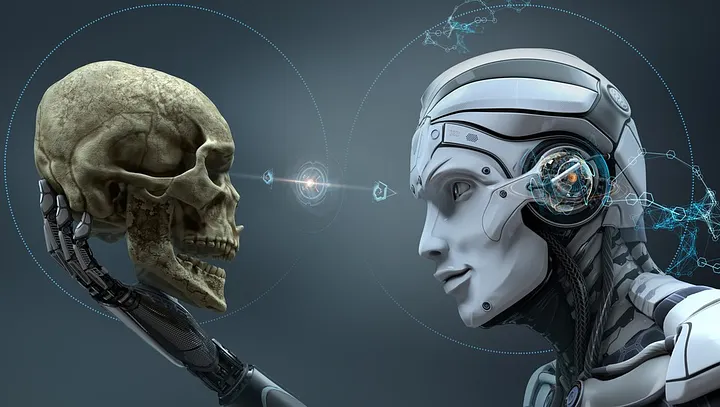
Brainstorming used to be messy. You stared at a wall, scribbled bad ideas, argued with yourself, and slowly, something good appeared. Today, one prompt to an AI tool gives instant answers, clean ideas, and ready-made solutions. It feels powerful—but it may also be dangerous.
With constant AI updates, our brains are changing. And not always for the better.
This article explores how Dangerous AI habits are slowly killing brainstorming, weakening critical thinking, and creating a real AI danger we don’t talk about enough.
The Death of Struggle-Based Thinking
The human brain grows stronger through struggle. When you brainstorm, your mind connects unrelated thoughts, filters nonsense, and builds original ideas. That mental friction is important.
AI removes that friction.
Instead of thinking deeply, many people now:
-
Ask AI for ideas instantly
-
Accept the first answer without questioning
-
Skip the mental effort entirely
Over time, your brain learns one thing: don’t think, just ask. This is where the real AI danger begins.
AI Updates Are Making Thinking Optional
Modern AI updates are designed to be faster, smarter, and more accurate. While impressive, they also make thinking feel unnecessary.
Why brainstorm for 30 minutes when AI gives 20 ideas in 10 seconds?
The problem is not speed—it’s dependency.
When AI becomes your first step instead of your last, your brain slowly forgets how to:
-
Generate original ideas
-
Explore multiple angles
-
Sit with confusion and uncertainty
This is how convenience turns into cognitive laziness.
Dangerous AI and the Illusion of Intelligence
Using AI frequently can feel like you’re smarter. You write better emails, generate ideas quickly, and sound more intelligent.
But borrowed intelligence is not real intelligence.
Dangerous AI creates the illusion of thinking without actual understanding. You may produce content, but you don’t fully process it. You may share ideas, but they aren’t truly yours.
Over time, this leads to:
-
Shallow thinking
-
Reduced creativity
-
Weak problem-solving skills
The scariest part? You don’t notice it happening.
Brainstorming Is Becoming a Lost Skill
Brainstorming is a muscle. Stop using it, and it weakens.
Many people now struggle to:
-
Start projects without AI
-
Think independently under pressure
-
Solve problems without external input
This growing AI danger isn’t about machines taking over jobs—it’s about humans giving up thinking.
When brainstorming disappears, innovation follows.
How AI Is Training You to Be Passive
AI tools don’t challenge you. They agree, comply, and serve. Human thinking grows through disagreement and doubt.
Without realizing it, AI trains users to:
-
Consume instead of create
-
Accept instead of a question
-
React instead of reflect
These patterns slowly reshape the brain, making people less curious and more dependent.
That’s not progress—that’s regression.
The Real AI Danger Is Mental Atrophy
The biggest AI danger isn’t evil robots or science fiction threats. It’s mental atrophy.
Just like muscles shrink without use, thinking skills fade when outsourced.
This doesn’t happen overnight. It happens quietly:
-
One prompt instead of one idea
-
One shortcut instead of one thought
-
One habit instead of one effort
And suddenly, brainstorming feels hard again.
How to Use AI Without Becoming Dumb
AI itself isn’t evil. The danger lies in how you use it.
Here’s how to protect your brain:
-
Brainstorm on your own first, then use AI to refine
-
Question AI outputs instead of accepting them
-
Use AI as a tool, not a replacement
-
Set “no-AI thinking time” daily
Smart people use AI to enhance thinking—not replace it.
Final Thoughts
AI updates will continue to improve. Dangerous AI habits will continue to grow. And the AI danger to human creativity will increase—unless we stay aware.
Brainstorming is not outdated. Struggle is not useless. Thinking is not inefficient.
Your brain still matters. Don’t outsource it completely.
FAQs
Is AI really making people less intelligent?
AI doesn’t directly make people less intelligent, but over-reliance can weaken critical thinking and creativity over time.
What is the biggest AI danger today?
The biggest AI danger is mental dependency—people relying on AI instead of developing their own thinking skills.
Are AI updates harmful by default?
No. AI updates are tools. The harm comes from passive use without conscious thinking.
How can I brainstorm better in the AI era?
Start with your own ideas first, then use AI to improve or challenge them—not replace them.
Is Dangerous AI a future threat or a present issue?
It’s already happening. The impact on thinking and creativity is visible right now.
For the latest updates and stories, follow us on Facebook at Only One News — your trusted source for real-time, reliable information.