










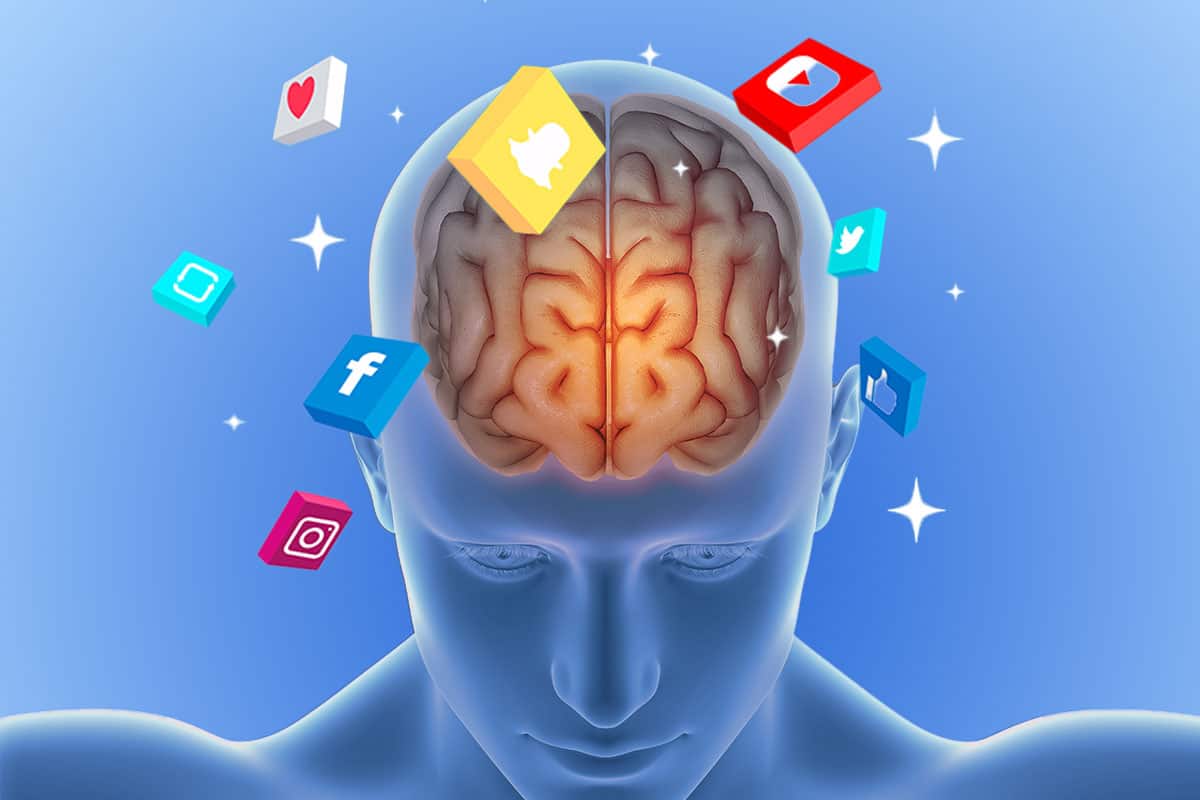
Dopamine addiction is a term many people are hearing for the first time, yet millions are already experiencing its effects. Endless scrolling, binge-watching, gaming, junk food, and instant notifications all feel harmless. But together, they may be training the brain in a dangerous way.
This raises an important question: Is dopamine addiction a mental disorder, or is it simply a side effect of modern life?
To understand this growing issue, we need to look at how dopamine works and why overstimulation is becoming a serious problem.
What Is Dopamine and Why Does It Matter
Dopamine is a chemical in your brain responsible for motivation, pleasure, and reward. It pushes you to take action, chase goals, and feel satisfaction after effort.
In a healthy brain, dopamine is released when you:
-
Achieve something meaningful
-
Learn new skills
-
Exercise or socialize
-
Work toward long-term goals
The problem begins when dopamine is triggered too often, too easily, and without effort.
Understanding Dopamine Addiction
Dopamine addiction doesn’t mean you are addicted to dopamine itself. It means your brain becomes dependent on constant dopamine spikes from quick rewards.
Common dopamine addiction triggers include:
-
Social media likes and notifications
-
Short videos and endless scrolling
-
Video games and online entertainment
-
Sugary foods and junk snacks
Over time, your brain starts craving stimulation instead of purpose. This is where dopamine addiction begins to affect mental health.
Is Dopamine Addiction a Mental Disorder?
Many experts debate whether dopamine addiction is a mental disorder or a behavioral pattern. While it may not be officially labeled as a disorder, its symptoms closely resemble recognized mental health conditions.
These symptoms include:
-
Inability to focus for long periods
-
Loss of motivation for real-life goals
-
Mental restlessness and boredom
-
Emotional numbness or irritability
For many people, dopamine addiction feels just as disruptive as anxiety or depression, making the question of it being a mental disorder more relevant than ever.
How Dopamine Addiction Rewires the Brain
When the brain is constantly overstimulated, it adapts. High dopamine exposure lowers sensitivity, meaning normal activities no longer feel rewarding.
This leads to:
-
Needing more stimulation for the same pleasure
-
Avoiding slow or meaningless tasks
-
Feeling tired but unable to rest
-
Procrastination and mental fatigue
This cycle traps people in short-term pleasure while long-term growth suffers.
Dopamine Addiction and Mental Health Decline
Dopamine addiction often hides behind productivity problems. People blame laziness, lack of discipline, or burnout when the real issue is brain overstimulation.
It can quietly contribute to:
-
Anxiety due to constant mental noise
-
Low self-esteem from unmet goals
-
Depression-like symptoms caused by emotional dullness
As dopamine addiction grows, mental resilience shrinks.
Why Modern Life Makes Dopamine Addiction Worse
Modern technology is designed to hijack attention. Apps, games, and content platforms are built to keep dopamine flowing continuously.
This makes resisting dopamine addiction harder than ever. Without boundaries, the brain stays in reward-seeking mode and loses its ability to enjoy simplicity.
This environment is why many now ask if dopamine addiction is a mental disorder created by modern society itself.
How to Break Free From Dopamine Addiction
Breaking dopamine addiction doesn’t mean removing joy from life. It means restoring balance.
Helpful steps include:
-
Limiting screen time and notifications
-
Avoiding instant entertainment during boredom
-
Engaging in physical activity regularly
-
Practicing delayed gratification
-
Creating time for silence and reflection
These habits slowly retrain the brain to find satisfaction in effort again.
Final Thoughts
Dopamine addiction may not yet be officially classified as a mental disorder, but its impact is very real. It affects focus, motivation, emotional stability, and overall mental health.
Understanding dopamine addiction is the first step toward regaining control. Your brain is powerful, but it needs space to function naturally.
The choice is simple: feed stimulation endlessly or rebuild focus intentionally.
FAQs
Is dopamine addiction a mental disorder?
Dopamine addiction is not formally classified as a mental disorder, but its symptoms closely resemble several mental health conditions.
What are common signs of dopamine addiction?
Constant boredom, poor focus, low motivation, and reliance on digital stimulation are common signs.
Can dopamine addiction cause anxiety or depression?
Yes, overstimulation can contribute to anxiety, emotional numbness, and depressive symptoms.
How long does it take to recover from dopamine addiction?
Improvement can begin within weeks, but full recovery depends on consistency and lifestyle changes.
Is dopamine addiction only related to social media?
No, it can also come from food, gaming, entertainment, and any source of instant gratification.