








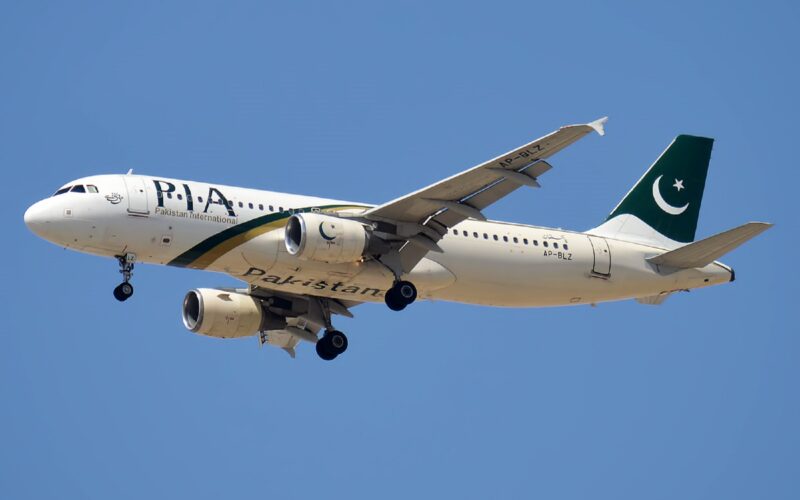
Pakistan International Airlines (PIA) — the country’s national flag carrier — has officially been sold to a private consortium after decades of financial losses, political controversy, and failed sale attempts. The transaction marks one of the largest privatisation deals in Pakistan’s history and a major milestone in the government’s economic reform program.
🧾 What Exactly Happened?
-
The government privatised a 75% controlling stake in PIA through an open, televised bidding auction.
-
A business group led by Arif Habib Corporation Limited emerged as the winning bidder, securing the stake with the highest offer.
-
The deal was finalised for Rs135 billion (approx. $482 million) — highlighted as the headline value of the sale.
🧩 Who Bought PIA?
The consortium that won the bid includes:
-
Arif Habib Corporation Limited (a major financial & industrial group)
-
Fatima Fertilizer Company Limited
-
City School (Private) Ltd
-
Lake City Holdings (Private) Ltd
This mix of financial, industrial, education, and real estate firms signals a diversified investment strategy rather than a single aviation specialist takeover.
💸 How the Money Works
-
Of the Rs135 billion “sale price”, only about Rs10 billion (7.5%) goes directly to the government’s coffers as upfront cash.
-
The remaining Rs124.8+ billion (92.5%) is committed by the consortium as investment into the airline itself over the next several years to stabilize, recapitalize, and expand operations.
-
The buyer also has an option to acquire the remaining 25% stake within 90 days at a premium, potentially increasing their ownership to 100%.
📉 Why Did Pakistan Sell PIA?
PIA has long been a loss-making state enterprise plagued by the following:
-
Heavy financial losses over many years under government management.
-
Debt and legacy liabilities far exceed revenue.
-
Political interference and operational inefficiencies made the turnaround extremely difficult.
-
Under conditions of an IMF bailout program, Pakistan committed to reforming state-owned enterprises to reduce fiscal drains.
Privatisation was intended to remove the financial burden from the state, attract capital investment, and modernize airline operations.
📅 When Does New Ownership Take Effect?
According to officials, the new owners are expected to take operational control by April 2026, subject to regulatory approvals and completion of contractual processes.
🧠 What This Sale Means
📈 Potential Benefits
-
Fresh capital injection could modernize the fleet and services.
-
The long-stalled privatisation process was finally delivered, which may encourage future reforms.
-
Job protections have been promised for at least one year after the takeover.
⚠️ Criticisms & Concerns
-
Some experts argue that what was “sold” was essentially operating assets but not legacy debts, which remain with the government.
-
Opposition figures label it a national icon being sold “like scrap” and worry about foreign influence or loss of sovereignty.
-
Debate continues whether the sale price reflects true value, given PIA’s fleet, routes, and real estate assets.
🧭 Final Takeaway — What ‘PIA Sold’ Really Means
The sale of PIA represents both economic reform and symbolic closure to decades of loss-making state ownership. While it brings private capital and potential modernization, it also ignites debate over national identity, valuation fairness, and long-term strategy for Pakistan’s aviation sector.
🛬 Frequently Asked Questions (FAQs)
Q1: What exactly was sold?
A controlling 75% stake in PIA’s operating company was sold at auction to a private investor group led by Arif Habib Corporation.
Q2: How much did Pakistan get from the sale?
The government receives about Rs10 billion in cash immediately, with the balance of the Rs135bn intended as capital investment into PIA.
Q3: Does the government still own any part of PIA?
Yes — the state retains the remaining 25% stake, with the option for the buyer to purchase it later.
Q4: Will PIA employees lose their jobs?
Officials have required that all current employees retain existing contracts and benefits for at least one year post-privatisation.
Q5: Is this part of the IMF conditions?
Yes — sale of loss-making state entities like PIA forms part of a broader reform program supported by the IMF.