







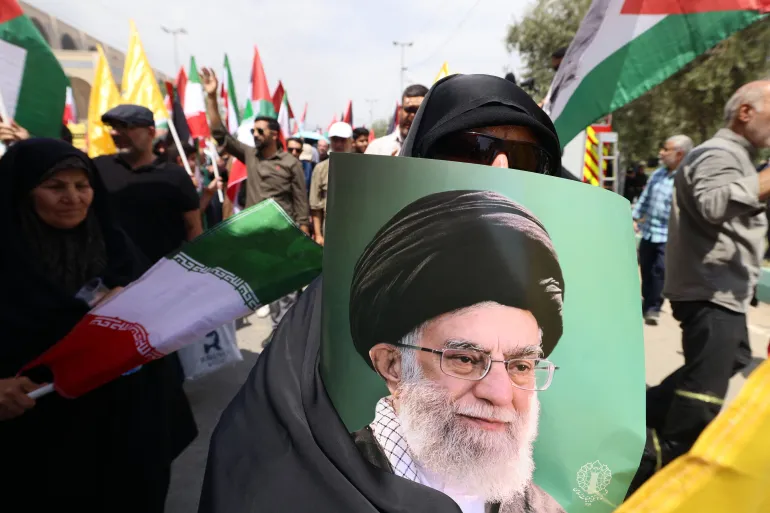
Iran is facing a severe internal crisis marked by nationwide demonstrations, deep economic troubles, and rising public anger. Known as the Iran Protests, this wave of unrest started in late December 2025 and has rapidly expanded across the country, turning into one of the most challenging periods in Iran’s modern history. Many of the demonstrations have targeted the leadership of Ali Khamenei Iran, the Supreme Leader of the Islamic Republic, and called for wide political changes.
What Sparked the Iran Protests?
The immediate cause of the current Iran Protests was economic frustration, especially soaring inflation, unemployment, and the dramatic fall of the Iranian rial, which has weakened to record lows. These financial hardships hit ordinary people hard, from shopkeepers in Tehran’s bazaars to farmers and youth across provinces.
However, this outbreak of unrest was not just about the economy. It quickly grew into a broader movement against political repression, corruption, and the nation’s theocratic power structure dominated by Ali Khamenei Iran. Many protesters are demanding far-reaching reforms or even a change in leadership.
Scale and Spread of Protests
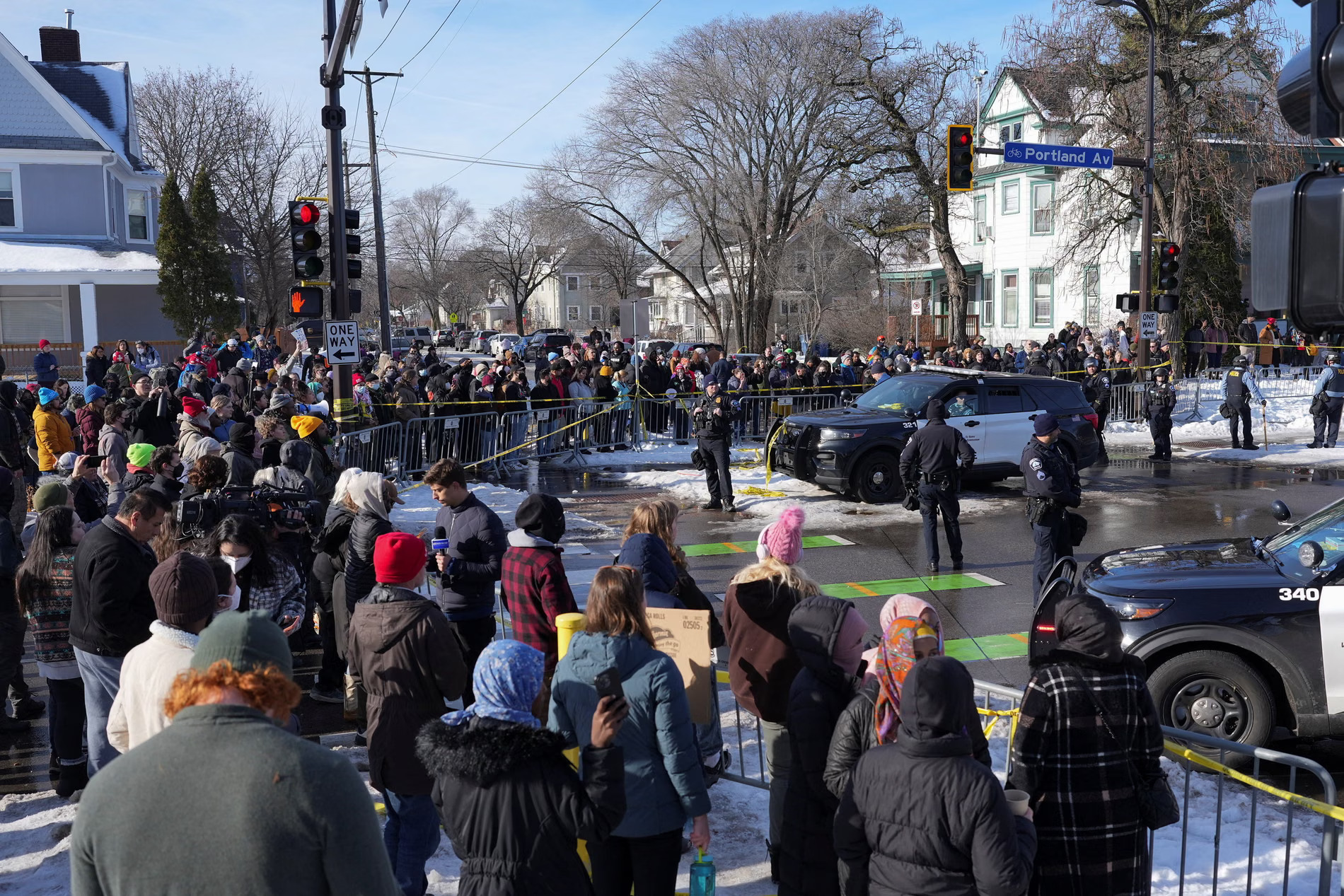
The Iran Protests have spread nationwide, affecting over 100 cities and towns across all 31 provinces. Demonstrations include large public rallies, strikes by workers, students, and shopkeepers, and even acts of defiance like setting government buildings on fire.
Authorities have responded with a nationwide internet blackout, broad arrests, and forceful crackdowns in several regions. The government has tried to suppress information by cutting off communications and limiting external reporting, a tactic previously used in past unrest.
Government Response & Ali Khamenei Iran’s Role
Ali Khamenei Iran, as Supreme Leader, remains the central figure in Iran’s political hierarchy, with authority over the judiciary, military, and security forces. Under his leadership, the government has blamed foreign “interference” and external enemies like the U.S. and Israel for fueling unrest, even as many protests are rooted in domestic grievances.
In recent statements, Khamenei called the protest movement a form of “chaos” being orchestrated for foreign interests and warned of strong punitive measures for those who damage state property or “endanger national stability.”
State media have depicted the unrest as dangerous and illegitimate, while Western leaders have criticized the Iranian government’s harsh response to demonstrators.
Human Cost & Security Crackdowns
The clashes between security forces and protesters have turned violent, with dozens reported dead and thousands arrested. Independent observers and human rights groups have cited lethal force used against civilians, including minors, in protests spanning multiple cities.
The security crackdown often includes live ammunition, tear gas, and aggressive dispersal methods. Many hospitals are overwhelmed, and some have been targeted during raids.
Activists have documented cases of protesters killed in confrontations, further deepening national anger and fueling calls for continued demonstrations.
External Pressures & Regional Conflicts
Beyond internal strife, Iran is also dealing with external tensions. Its nuclear program, strained relations with the United States and Western nations, and involvement in regional conflicts — like the 2025 Iran-Israel conflict — have added pressure on Tehran. These geopolitical tensions further complicate the domestic situation and shape global responses to the Iran Protests.
International sanctions and economic isolation have contributed to the economic decline, which in turn fuels public anger. Western condemnation has grown louder, with some leaders warning against violent repression and hinting at potential diplomatic consequences.
Why the Crisis Matters
The Iran Protests are not simply occasional riots but represent a broader social and political rupture. Economic hardship combined with years of political repression has created a powerful and sustained movement that challenges the authority of Ali Khamenei Iran and the traditional power structures of the Islamic Republic.
The crisis has shown that discontent reaches beyond isolated groups, touching labor sectors, students, women’s rights activists, and ordinary families alike.
What Could Happen Next
1. Continued Protest Waves
Many analysts believe protests are likely to continue in the coming days if economic conditions remain dire and political reforms are not offered. High youth unemployment and widespread dissatisfaction suggest that demonstrations could expand further.
2. Government Clampdown
Tehran may intensify crackdowns to prevent what it views as threats to national stability — especially if protests persist or gain momentum. More arrests, harsher punishment, and expanded communication blackouts are likely.
3. Political Negotiation or Reform Pressure
International diplomacy and internal political pressure could push for some concessions or economic reforms, but this depends on the leadership’s willingness to compromise.
4. Broader Regional Impacts
Iran’s instability may influence regional politics and security, especially if external tensions with Western powers and neighboring states continue. This could escalate diplomatic friction in the Middle East.
Conclusion
The current Iran Protests represent a profound mix of economic despair and political defiance. With Ali Khamenei Iran at the center of power and widespread public dissatisfaction, the nation stands at a critical crossroads. Both internal pressures and regional tensions are likely to shape Iran’s near future, with many observers closely watching whether the movement leads to meaningful reform or escalates into deeper conflict.
Frequently Asked Questions (FAQs)
1. What triggered the Iran Protests?
The protests began over severe economic hardship, including inflation and currency collapse, and quickly evolved into broader dissent against political repression and leadership.
2. Who is Ali Khamenei Iran?
Ali Khamenei is Iran’s Supreme Leader, wielding ultimate authority over the judiciary, military, and political decisions, and is a central figure in responding to the protests.
3. How widespread are the protests?
The unrest has spread to more than 100 cities across Iran, affecting all major provinces.
4. How has the government responded?
The government has imposed an internet blackout, arrested thousands, and used force to disperse protesters.
5. Are international reactions affecting Iran’s internal situation?
Yes — international criticism and geopolitical pressure add complexity to the crisis, influencing global diplomacy and Tehran’s strategic decisions.
6. What might happen in the next few days?
Protests may continue, the government may further crack down, and there could be increased political pressure for reforms depending on developments on the ground.