










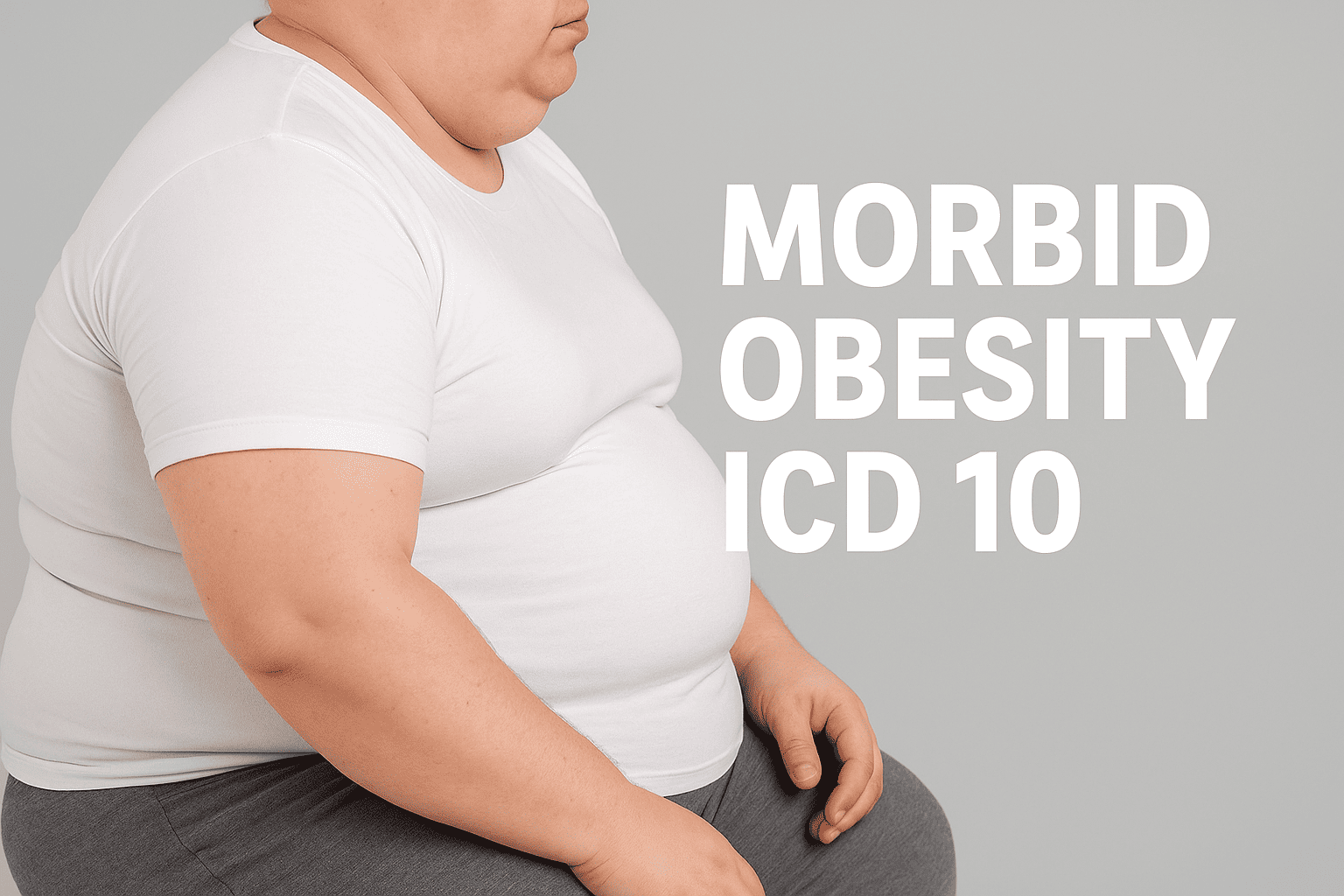
Morbid obesity is a serious and complex health condition that affects millions of people worldwide. In today’s modern healthcare systems, understanding medical codes is essential for proper diagnosis, healthcare billing, insurance claims, and treatment planning. One of the most important classification codes used for this condition is the morbid obesity ICD 10 code. This standardized code allows hospitals, clinics, and insurance companies to accurately document the condition and ensure appropriate care for patients.
In the ICD-10-CM system, morbid obesity is primarily captured under E66.01, which refers to morbid (severe) obesity due to excess calories. This code is commonly used when a patient’s body mass index (BMI) reaches a level that places them at significantly increased risk of medical complications. The use of the morbid obesity ICD 10 code helps healthcare providers deliver consistent diagnosis and follow-up treatment, ensuring patients receive appropriate guidance and monitoring.
Morbid obesity is generally defined as having a BMI of 40 or higher, or a BMI of 35 or higher accompanied by serious health issues like high blood pressure, type 2 diabetes, heart disease, or sleep apnea. It is more than just excess body weight; it represents a severe health challenge that impacts multiple systems within the body. When documented with the morbid obesity ICD 10 code, healthcare providers can better assess the severity of the condition and create structured treatment plans tailored to individual needs.
Causes of Morbid Obesity
There is no single cause of morbid obesity. Instead, it develops through a combination of genetic, environmental, psychological, and lifestyle factors. Family history plays a significant role, as certain genetic traits may affect metabolism, appetite, and fat storage. Environmental factors such as high-calorie diets, sedentary lifestyles, and limited access to nutritious food can also contribute. Additionally, hormonal imbalances, stress, and certain medications may influence weight gain. Proper classification with the morbid obesity ICD 10 code helps clinicians identify underlying causes during patient evaluation.
Health Risks Associated With Morbid Obesity
Morbid obesity is linked to an increased risk of many chronic and life-threatening conditions. These include cardiovascular disease, stroke, type 2 diabetes, osteoarthritis, fatty liver disease, gallbladder problems, and respiratory issues. Excess weight places strain on the heart and vital organs, making everyday activities more difficult. Individuals may also experience reduced mobility, chronic fatigue, and sleep disorders such as sleep apnea. Early diagnosis using the morbid obesity ICD 10 code encourages timely intervention, reducing long-term health risks.
Symptoms and Early Warning Signs
While weight gain is the most visible symptom, morbid obesity often presents with several additional physical and emotional signs. These can include shortness of breath, joint pain, frequent tiredness, increased sweating, and difficulty performing regular tasks. Mental health challenges such as depression, anxiety, and low self-esteem are also common. Recognizing these symptoms, alongside accurate documentation with the code morbid obesity ICD 10, allows healthcare professionals to deliver comprehensive care focusing on both physical and emotional well-being.
Diagnosis and Use of ICD-10 Coding
Diagnosing morbid obesity involves evaluating BMI, medical history, physical exams, and screening for related diseases. The ICD-10 coding system ensures that healthcare providers maintain clear, standardized records across all medical platforms. For morbid obesity, E66.01 is typically used, though other related codes may apply depending on the patient’s condition. The consistent use of the morbid obesity ICD 10 code ensures that insurance providers, specialists, and primary care teams communicate effectively and follow uniform treatment pathways.
Management and Treatment Options
Managing morbid obesity requires a long-term, structured approach. Lifestyle modifications are often the first step, including personalized diet plans, increased physical activity, and behavioral therapy. Nutritionists and fitness professionals can help patients create realistic habits that promote gradual weight loss. In many cases, healthcare providers may recommend medical interventions such as prescription weight-loss medications or hormone evaluations.
For severe cases where lifestyle changes are not enough, bariatric surgery may be considered. Procedures like gastric bypass or sleeve gastrectomy can significantly reduce stomach size, improve digestion, and help patients lose substantial weight. These surgeries are often approved when the patient’s condition is properly documented with the morbid obesity ICD 10 code, ensuring insurance eligibility and clinical justification.
Prevention and Long-Term Outlook
Preventing morbid obesity involves early awareness and proactive lifestyle choices. Building healthy eating habits, staying physically active, managing stress, and attending regular medical checkups are essential steps. Families and communities play an important role in promoting healthier environments that reduce obesity risk. With proper treatment, support, and timely diagnosis using standardized codes like the morbid obesity ICD 10, individuals can significantly improve their quality of life and lower the risk of serious health complications.
Final Thoughts
Morbid obesity is a complex condition that requires structured medical attention, lifestyle changes, and ongoing support. Understanding and using medical classification systems such as the morbid obesity ICD 10 code ensures accurate diagnosis, effective communication, and better treatment outcomes. With the right guidance and a comprehensive approach, individuals can take important steps toward better health and long-term wellness.
FAQ’s
1. What is the ICD-10 code for morbid obesity?
The primary ICD-10 code for morbid obesity is E66.01, which refers to morbid (severe) obesity due to excess calories. This code helps hospitals and insurance companies document the condition accurately.
2. What does morbid obesity ICD 10 E66.01 include?
The code E66.01 includes cases where a person has a very high BMI—usually 40 or above—or a BMI above 35 with related health issues like diabetes, hypertension, or heart disease.
3. Why is ICD-10 coding important for obesity?
ICD-10 coding ensures medical records, insurance claims, and treatment plans are accurate and consistent. It helps healthcare providers follow proper guidelines for diagnosis and care.
4. What causes morbid obesity?
Morbid obesity can result from genetics, poor diet, lack of physical activity, hormonal imbalances, certain medications, stress, and lifestyle habits.
5. Is morbid obesity the same as regular obesity?
No. Morbid obesity is a more severe form of obesity. It presents a much higher risk of serious health complications like heart disease, type 2 diabetes, and sleep apnea.
6. What symptoms are linked with morbid obesity?
Common symptoms include shortness of breath, joint pain, low energy, difficulty moving, excessive sweating, and sleep problems such as sleep apnea.
7. How do doctors diagnose morbid obesity?
Doctors check BMI, perform physical exams, ask about medical history, and look for related health conditions. They also use the morbid obesity ICD 10 code to record the diagnosis.
8. What are the treatment options for morbid obesity?
Treatment may include lifestyle changes, nutrition plans, exercise, counseling, weight-loss medications, or bariatric surgery in severe cases.
9. Can morbid obesity be prevented?
Yes. Eating a balanced diet, regular exercise, managing stress, and maintaining healthy habits from a young age can help prevent severe obesity.
10. Does morbid obesity affect life expectancy?
Yes. Morbid obesity increases the risk of several chronic diseases, which can significantly lower life expectancy if not managed properly.
For the latest updates and stories, follow us on Facebook at Only One News — your trusted source for real-time, reliable information.