










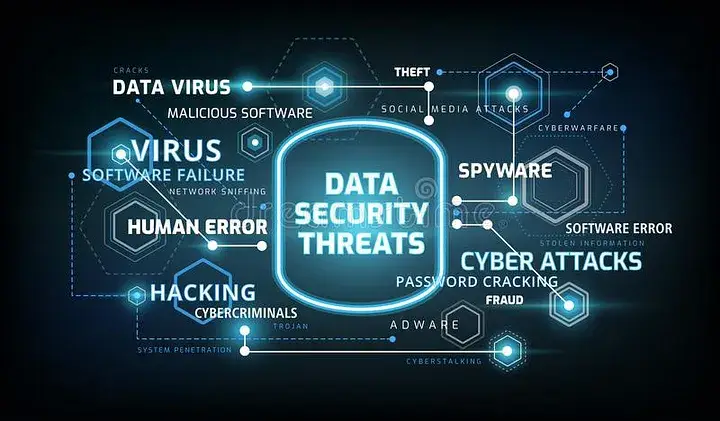
As technology evolves, cybercriminals are becoming smarter and more aggressive. In 2026, individuals and businesses face new risks that go beyond basic viruses and spam emails. Understanding modern threats and practicing strong cyber security threat management is essential to staying safe in a highly connected digital world.
This article explains the biggest dangers you should know about and how to protect yourself from potential cyber security threats in 2026.
Why Cyber Threats Are Increasing in 2026
The rise of AI tools, remote work, cloud platforms, and smart devices has expanded the attack surface for hackers. Weak passwords, outdated software, and poor awareness allow potential cyber security threats to spread faster than ever before.
Without proper cyber security threat management, even basic online activities like email, banking, and social media can become risky.
Top Cyber Threats in 2026
1. AI-Powered Phishing Attacks
Phishing scams are now powered by artificial intelligence. These messages look extremely real, mimicking trusted brands, coworkers, or even family members. Many people fall victim because the emails and messages feel personal and urgent.
This is one of the fastest-growing potential cyber security threats worldwide.
2. Ransomware Attacks
Ransomware continues to lock users out of their files and systems, demanding payment for access. In 2026, attackers target not just companies but also individuals, freelancers, and students.
Strong cyber security threat management is critical to prevent data loss and financial damage.
3. Cloud and Account Takeovers
As more people store data online, cloud accounts have become a major target. Weak passwords or reused credentials allow attackers to gain full control of personal or business data.
These account takeovers are among the most dangerous potential cyber security threats today.
4. IoT and Smart Device Exploits
Smart TVs, home assistants, and wearable devices often lack strong security. Hackers can exploit these devices to access home networks or spy on user activity.
Proper cyber security threat management now includes securing smart devices, not just computers.
5. Deepfake and Identity Fraud
Deepfake technology is being used to impersonate voices, faces, and identities. Scammers use it for fraud, fake video calls, and financial deception.
This threat is growing rapidly and adds to the list of potential cyber security threats in 2026.
How to Protect Yourself in 2026
Use Strong Authentication
-
Enable two-factor authentication on all accounts
-
Avoid reusing passwords
-
Use a password manager
This is the foundation of effective cyber security threat management.
Keep Software Updated
Outdated apps and systems are easy targets. Regular updates patch known vulnerabilities and block common attack methods.
Be Alert and Educated
-
Don’t click suspicious links
-
Verify messages before responding
-
Stay cautious with unknown downloads
Awareness is one of the strongest defenses against potential cyber security threats.
Secure Your Devices and Networks
-
Use firewalls and antivirus tools
-
Protect Wi-Fi with strong passwords
-
Disable unused smart device features
Modern cyber security threat management goes beyond just one device—it protects your entire digital environment.
Why Cyber Security Matters More Than Ever
Cybercrime is no longer limited to large corporations. Individuals are now prime targets. Practicing consistent cyber security threat management helps prevent identity theft, financial loss, and data breaches in everyday life.
Ignoring potential cyber security threats can lead to long-term consequences that are difficult to recover from.
FAQs
What are the biggest cyber threats in 2026?
The biggest threats include AI-powered phishing, ransomware, cloud account takeovers, smart device hacks, and deepfake fraud.
Why is cyber security threat management important?
Cyber security threat management helps prevent data theft, financial loss, and unauthorized access to personal or business systems.
Are individuals at risk from potential cyber security threats?
Yes, individuals are major targets due to weak passwords, phishing attacks, and insecure devices.
How can beginners protect themselves online?
Using strong passwords, enabling two-factor authentication, and staying alert to scams are simple but powerful steps.
Do smart devices increase cyber risks?
Yes, poorly secured smart devices can expose networks and personal data if not properly protected.